We act as a commercial plumber for many local and residential businesses
Water Heater Repair & Installation in Spring Hill, FL
Hot water is an essential part of modern living. From a warm shower in the morning to running the dishwasher after dinner, your water heater works silently in the background to provide comfort and sanitation. When this system fails, it is immediately noticeable and highly disruptive. At Spring Hill Plumbing Pros, we specialize in comprehensive water heater repair and installation services. We are dedicated to ensuring that the residents and businesses of Spring Hill have reliable access to hot water year round.
Water Heater Repair and Installation in Spring Hill, Florida – Spring Hill Plumbing Pros
Spring Hill Plumbing Pros handles the full range of water heater needs for homeowners throughout Spring Hill and the surrounding communities of Brooksville and Hudson. Whether you need water heater repair the same day, a full replacement of an aging tank unit, a new tankless water heater installation, a gas water heater diagnosis, or help deciding when to repair versus replace, we’ve worked on every type of system common to this area. Many Spring Hill homes carry hard water from the local supply, and that mineral content accelerates sediment buildup inside water heater tanks in ways that shorten equipment life and reduce performance over time. We run thorough diagnostics before recommending any course of action, we work cleanly and carefully, and we schedule in a way that works for your day. If you’re dealing with no hot water or a unit that’s been struggling for months, here’s what we can do for you.
Common Water Heater Problems We Fix in Spring Hill
No Hot Water or Insufficient Hot Water
Running out of hot water faster than you should or having none at all is disruptive to every part of daily life. For a family in Spring Hill, no hot water is not a wait-until-next-week problem. The cause might be a failed heating element in an electric unit, a tripped thermal cutout, a thermostat that’s drifted out of calibration, or a gas supply issue on a gas model. Fixing no hot water as an emergency is something we handle regularly, and we come prepared for the most common causes.
Recognizing the Problem
- Hot water runs out after a short shower when it used to last much longer
- Water never gets warmer than lukewarm no matter how long you wait
- Hot water is available in the morning but gone by mid-afternoon
- Unit has been running but the water coming out is cold
- Breaker for the water heater keeps tripping after reset
- Recovery time between uses has gotten significantly longer over time
- Hot water pressure is noticeably lower than cold pressure at the same fixture
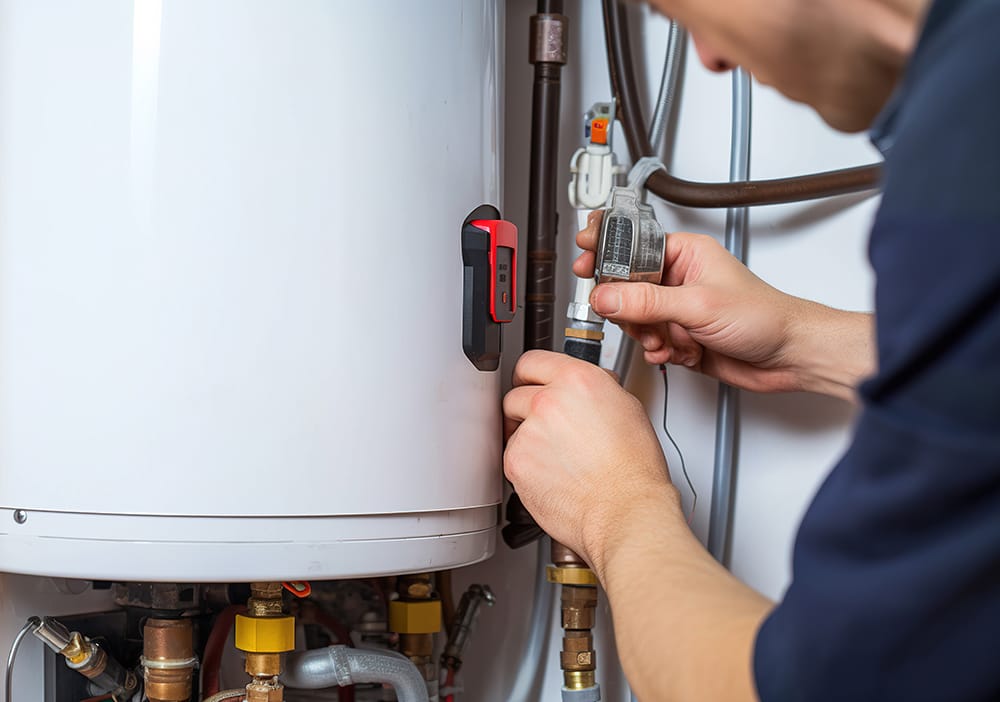
We test each component in sequence to find the specific failure rather than replacing parts at random. For electric water heaters, we check both heating elements and both thermostats, since a failure at one stage affects the entire system. For gas units, we assess the thermostat, thermocouple, and gas valve. Once we’ve confirmed the cause, we make the repair and run the unit through a full recovery cycle before we leave to confirm it’s performing correctly.
Leaking Water Heater
A water heater leaking from the bottom often signals a tank that has corroded internally to the point where water is finding a way out through the seams or base. A leak from a fitting at the top of the tank or from the pressure relief valve is usually a connection or valve issue rather than a tank failure. Either way, water pooling around your water heater needs attention right away because the damage to the floor, subfloor, and surrounding cabinet material can escalate quickly.
Recognizing the Problem
- Water pooling on the floor around the base of the tank
- Moisture or rust staining on the exterior of the tank below the fittings
- Pressure relief valve that drips continuously or discharges water
- Wet insulation or discoloration on the top of the tank near the connections
- Water stains on the surrounding wall or cabinet from ongoing seepage
- Visible rust or corrosion where the water lines connect at the top
- Small puddle that reappears after being wiped up
We identify the exact source before recommending a repair or replacement. A leaking fitting or a failed pressure relief valve can often be corrected without replacing the entire unit. But a tank that is leaking at the seam or base has typically reached the end of its service life, and continuing to repair around it is not a sound approach. We give you an honest assessment of which situation you’re in and what makes the most sense going forward. Hard water conditions common in Spring Hill can accelerate tank corrosion, so tanks in this area sometimes fail earlier than the rated service life suggests.
Tankless Water Heater Issues
Tankless water heaters in Spring Hill homes are increasingly common, and while they’re efficient and long-lasting, they have specific components that require proper diagnosis when something goes wrong. A tankless unit that isn’t heating, produces inconsistent temperature, or throws an error code needs someone who understands how those systems work rather than someone guessing at a fix. Tankless water heater issues cover a range of causes from ignition failures and flow sensor faults to scaling from hard water inside the heat exchanger.
Recognizing the Problem
- Tankless unit fires up but water stays cold or only slightly warm
- Error code displayed on the unit that you can’t find a clear explanation for
- Temperature fluctuates during a single shower from hot to cold repeatedly
- Unit ignites with a loud click but shuts off before water heats properly
- Hot water at one fixture but not another in the same home
- Unit that worked fine last season but stopped activating this year
- Reduced flow rate from hot water fixtures throughout the house
We work on tankless units from the major brands and bring the tools needed to read error codes and trace specific component failures. Common repairs include replacing ignition components, cleaning or replacing a fouled flow sensor, flushing scale buildup from the heat exchanger, or addressing gas supply pressure that’s out of specification for the unit’s requirements. After repair, we test the unit across its operating range to confirm consistent performance before completing the visit.
Rusty or Discolored Hot Water
Hot water that comes out looking orange, brown, or cloudy is a problem that affects both comfort and health. Help with rust-colored water from taps often points to a water heater tank that has corroded on the inside, a deteriorating anode rod that’s no longer protecting the tank wall, or old galvanized pipes between the tank and the fixture that are shedding rust into the supply. In Spring Hill, the mineral content in the water supply can interact with aging tank components to accelerate discoloration over time.
Recognizing the Problem
- Hot water that looks orange or brown when you first run the tap
- Discoloration that only appears in the hot water line, not the cold
- Metallic taste or smell from the hot water at multiple fixtures
- Flakes or sediment visible in a glass of hot water
- Discoloration in the bathtub or white sink after running hot water
- Color that clears after running hot water for a minute but returns the next day
- Rust staining on white laundry washed in hot water
We flush the tank first to see whether sediment is the primary cause. If the anode rod is depleted, replacing it can extend the tank’s life and improve water quality. If the tank lining has corroded to the point where the discoloration is coming from the tank walls themselves, that’s a signal that the unit should be replaced rather than repaired further. We also check the pipe material between the tank and the fixtures to rule out a secondary source of contamination.
Strange Noises from Water Heater
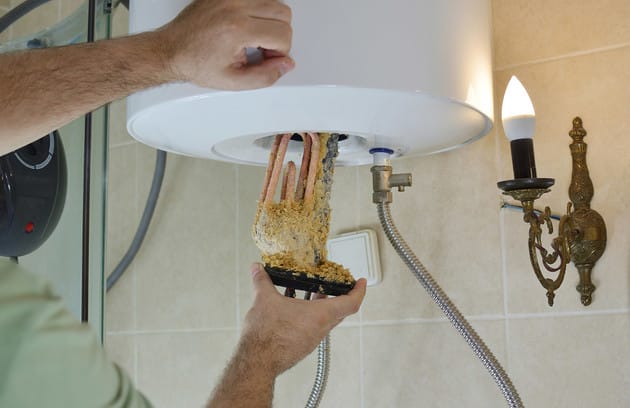
A water heater making loud noises, whether that’s popping, rumbling, banging, or hissing, is communicating that something inside the unit needs attention. Most noise complaints from Spring Hill homeowners come down to sediment that has built up at the bottom of the tank and is being disturbed or heated irregularly during each cycle. Hard water in this area speeds up sediment accumulation, and tanks that haven’t been flushed regularly are especially prone to this.
Recognizing the Problem
- Loud popping or crackling sound during heating cycles
- Rumbling or kettling noise from the tank when it’s heating
- Banging sound when hot water starts flowing through the pipes
- High-pitched hissing from around the tank or pressure relief valve
- Unit that’s noticeably louder than it used to be
- Sounds that happen at the same point in every heating cycle
- Knocking in the pipes shortly after the water heater finishes a cycle
We flush the tank to remove accumulated sediment and assess whether the level of buildup has already begun to affect the heating element or tank lining. In many cases, a thorough flush and element inspection restores quiet, efficient operation. If the sediment has hardened into scale that won’t flush out, or if the element shows signs of damage from prolonged contact with it, we’ll discuss whether a repair or replacement makes more sense based on the unit’s age and overall condition.
Pilot Light Problems (Gas Water Heaters)
A gas water heater pilot light that won’t stay lit is frustrating and leaves you without hot water until the problem is resolved. The most common cause is a thermocouple that has worn out and no longer sends the correct signal to keep the gas valve open after the pilot is lit. Gas water heater pilot light issues can also stem from a dirty or misaligned pilot tube, a failing gas valve, or a draft condition near the unit that blows out the flame.
Recognizing the Problem
- Pilot light that goes out repeatedly within minutes of relighting
- Pilot that won’t light at all even with a working igniter
- Small, flickering pilot flame instead of a steady blue flame
- Unit that ran fine for months and suddenly stopped heating
- Gas valve button that has to be held down longer than usual to maintain the pilot
- Clicking igniter that doesn’t produce a spark at the pilot
- Pilot that lights but the main burner won’t ignite for a full heating cycle
We check the thermocouple first because it’s the most common culprit and a straightforward repair. If that’s not the issue, we inspect the gas valve and pilot assembly more thoroughly. If you smell gas or suspect a gas leak, go outside immediately and call 911 – this is a serious emergency that needs urgent attention from the gas company. After repairs, we test the pilot cycle multiple times to confirm the flame is stable and the unit is completing full heating cycles as expected.
Water Heater Not Turning On
An electric water heater that stopped working entirely or a gas unit that won’t ignite can have several root causes that need to be ruled out in order. The problem might be as simple as a tripped breaker or a reset button that needs to be activated, or it could indicate a failed control board, a burnt-out element, or a gas supply issue. In Spring Hill, electrical water heaters that lose power due to a local surge or outage sometimes need a reset that isn’t obvious to a homeowner.
Recognizing the Problem
- No hot water at all and the unit shows no sign of being active
- Breaker for the water heater that’s tripped to the off position
- Reset button on an electric unit that trips again immediately after pressing
- Gas unit that won’t respond to ignition attempts
- Digital display on a modern unit that’s blank or unresponsive
- Unit that ran and then cut off mid-cycle without an obvious reason
- No sound at all from an electric unit when it should be in a heating cycle
We walk through a logical sequence of checks starting with the simplest causes before moving to component-level diagnostics. If the unit responds to a reset and then trips again quickly, that indicates an underlying fault that the reset alone won’t fix. We identify that fault, whether it’s a shorted element, a failed thermostat, or a wiring issue, and correct it properly rather than resetting and hoping for the best.
Sediment Buildup and Poor Performance
Sediment that accumulates at the bottom of a water heater tank is one of the most common reasons a unit stops performing efficiently before it actually fails. As sediment builds up, the heating element or burner has to work harder to transfer heat through the layer, which increases energy use and puts mechanical stress on components. In Spring Hill, the mineral-heavy water supply speeds up this process, and tanks that haven’t been maintained are frequently running far below their rated capacity.
Recognizing the Problem
- Hot water that doesn’t seem as hot as it used to be at the same thermostat setting
- Energy bills that have increased without a change in usage habits
- Tank that takes much longer to recover between back-to-back uses
- Discolored or gritty water from hot lines, especially after the unit cycles
- Popping or rumbling during heating cycles that didn’t exist before
- Reduced hot water volume compared to what the tank’s capacity should produce
- Unit that has never been flushed and is more than four years old
We flush the tank to remove accumulated sediment and test the heating components afterward. A thorough flush restores efficiency noticeably in units that haven’t been maintained regularly. We also check the anode rod as part of the process, since its condition directly affects how quickly the tank interior corrodes. If the sediment has already caused damage to the element or the tank lining, we’ll give you a clear picture of whether repair or replacement is the better path forward.
Water Heater Repair vs Replacement in Spring Hill
The decision to repair or replace a water heater comes up regularly in Spring Hill homes, and the right answer depends on a combination of the unit’s age, the nature of the failure, and the cost of the repair relative to what a new unit would run.
As a general starting point, a tank water heater that is more than ten years old and developing significant problems is usually a better candidate for replacement than repeated repair. The parts cost more on older units, and the unit is statistically closer to a complete failure than a younger model in the same situation. A ten-year-old unit that needs a new heating element is one situation. A ten-year-old unit that has a rusted tank and failing valves is a different one entirely.
For units under eight years old, a single-component repair almost always makes financial sense. A failed thermocouple on a six-year-old gas water heater is a simple fix with years of remaining service life on the unit. An electric heater that needs one element replaced at five years old is a straightforward repair.
The harder calls fall in the middle. A unit that’s eight or nine years old with a second or third repair needed in the same year is often better replaced, because each additional repair signals that the unit is declining broadly rather than experiencing an isolated failure. Homeowners in Spring Hill who have had the same component fail twice in eighteen months should consider whether the underlying cause is the unit’s overall condition rather than bad luck on parts.
Tankless units have longer service lives and generally favor repair over replacement until major components like the heat exchanger need attention. We walk through the specific math with every homeowner so the decision is yours to make with real information, not a push toward the more expensive option.
Tankless Water Heater Installation and Repair
Tankless water heaters heat water on demand rather than maintaining a stored tank of hot water, which eliminates standby heat loss and reduces energy consumption. For Spring Hill homeowners who have the right gas supply capacity or electrical service to support a tankless unit, they’re a sensible upgrade that also frees up physical space previously taken by a tank.
The most important factors in tankless installation are sizing the unit correctly for the home’s peak demand and ensuring the gas line or electrical service can support the load. Undersized units produce inconsistent hot water during simultaneous use. We assess flow rate needs, existing fuel supply capacity, and venting requirements before recommending a unit so the installation performs as expected from day one.
Repairs to tankless units require familiarity with their specific control systems. Error codes on these units point to particular subsystems, and tracing the fault accurately saves time and avoids replacing parts that aren’t causing the problem. We service tankless units from the major brands and carry common repair components for the models frequently installed in Spring Hill and surrounding communities. Hard water can affect the heat exchanger in a tankless unit over time, and periodic descaling extends the life of the system significantly in this area.
Water Heater Installation Services in Spring Hill
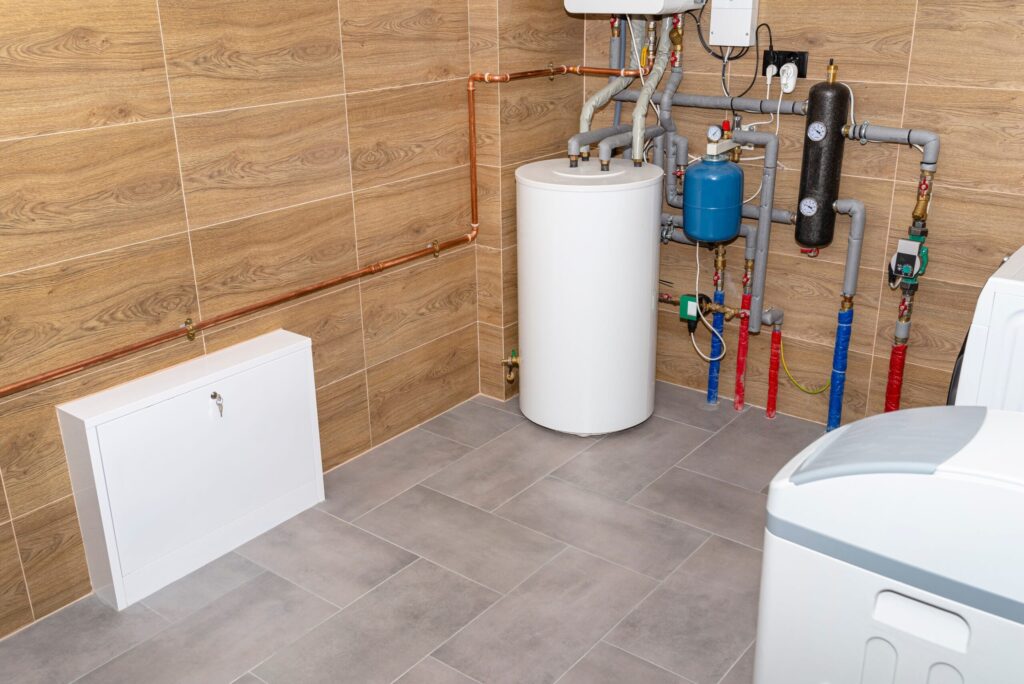
Installing a new water heater in a Spring Hill home is a job that involves more than swapping one tank for another. The process begins with selecting the right unit for the household’s hot water demand and the available fuel source. Tank units are sized by gallon capacity and recovery rate. Tankless units are sized by flow rate and temperature rise needed given the incoming water temperature.
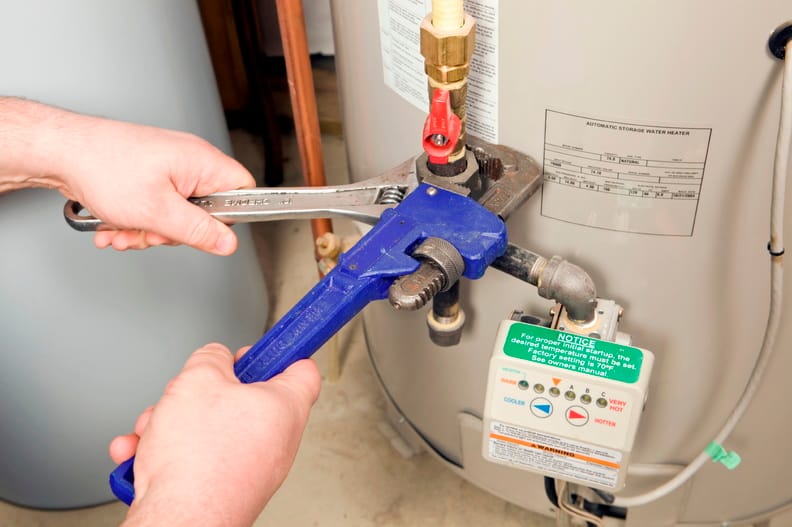
Once the right unit is selected, installation involves disconnecting and safely removing the old unit, preparing the installation site, connecting the water supply lines, making the gas or electrical connection, setting up the venting or exhaust as required by the unit type, and testing the complete system before the job is considered finished.
For tankless installations specifically, we verify that the gas line supplying the unit is large enough to handle its BTU demand and run a new supply line if the existing one is undersized. Venting for a tankless unit uses a direct-vent configuration that requires correct materials and routing. We handle all of that as part of the installation and confirm proper operation before we leave.
Why Spring Hill Homeowners Choose Spring Hill Plumbing Pros for Water Heater Service
Local Expertise with Spring Hill Homes and Water Conditions
We work in Spring Hill full time and understand how local water conditions affect water heater performance and longevity. The mineral content in the water supply here causes sediment to accumulate faster than in areas with softer water, and that affects how we approach maintenance and repairs for tanks across this area. When we arrive at a Spring Hill home with a struggling water heater, we know what to look for based on the type of system and the local conditions it’s been operating in.
Meticulous Diagnostics and Root-Cause Fixes
We don’t replace the first part that looks like it might be the problem. We test systematically to confirm the cause before making any repair, because replacing a thermocouple on a unit where the actual failure is the gas valve means the unit still won’t work when we leave. Our diagnostic approach means we identify the real cause and fix it correctly the first time. Homeowners in Spring Hill shouldn’t have to call us back because a repair didn’t address the actual issue.
Respect for Your Home and Family During the Job
Water heater work often takes place in tight utility spaces, garages, or closets, and the access can involve moving things in and out of the way. We work carefully, put down protection on floors in work areas, and clean up when we’re done. If the job requires shutting off the water supply to the whole house, we work efficiently to minimize the time that service is interrupted. We communicate with you throughout so you know where we are in the process and when you can expect to have hot water back.
Skilled with Both Traditional and Tankless Systems
We install and service both traditional storage tank water heaters and tankless systems. Each has different diagnostic requirements and different installation considerations, and we’re equally comfortable with both. For homeowners in Spring Hill who are considering making the switch to tankless, we can walk through the real advantages and trade-offs based on your home’s specific setup, not a generic sales pitch. And when a tankless unit develops an issue, we have the tools and knowledge to diagnose it properly rather than guessing.
Fast Same-Day Response When You Need Hot Water Now
Going without hot water isn’t a situation most Spring Hill families can tolerate for long, especially with kids in the house or if you work from home. We treat water heater calls with appropriate urgency and work to get there the same day whenever possible. For complete failures with no hot water at all, we prioritize the call and come prepared with the parts most likely needed for the common causes so we’re not making a second trip to fix what a first trip should have resolved.
Our Water Heater Service Process in Spring Hill
1. You Reach Out
Contact us and describe what’s happening with your water heater. Let us know the type of unit, the age if you know it, and the symptoms you’re seeing. That information helps us come prepared with the right tools and the most likely replacement parts for your situation.
2. We Schedule and Arrive
We find a time that works for you and confirm the appointment. For same-day or urgent calls, we dispatch as quickly as possible and give you a realistic arrival window. We contact you if anything changes so you’re not waiting around without information.
3. Thorough Diagnosis and Clear Explanation
We inspect the unit fully before recommending anything. Once we’ve identified the problem, we explain it in plain terms: what failed, why, what needs to happen, and what you can expect from the repair or replacement. We answer your questions directly before we start work.
4. Repair or Installation
We complete the repair or install the new unit, handling all connections, safety checks, and any required modifications to the existing setup. For installations, we remove and dispose of the old unit as part of the job.
5. Final Testing and Cleanup
After the repair or installation, we run the unit through a full cycle to confirm it’s heating correctly and all connections are secure. We check for leaks at every joint, verify pressure and temperature are in range, and clean up the work area before we leave. We’ll let you know if there’s anything to watch for in the first few days.
Water Heater Service Area in and Around Spring Hill, Florida
Spring Hill Plumbing Pros provides water heater repair, replacement, and installation throughout Spring Hill and the surrounding area. We cover neighborhoods across Spring Hill as well as Brooksville, Hudson, and the communities nearby. Whether you’re in a newer development or an older part of Spring Hill with a water heater that has been in place for fifteen years, we serve your area.
- Spring Hill
- Brooksville
- Hudson
- New Port Richey
- Port Richey
- Holiday
- Weeki Wachee
- Hernando Beach
- Jasmine Estates
- Shady Hills
- Spring Lake
- Ridge Manor
True local water heater service in Spring Hill means we understand the water conditions here, we know the equipment types common to this area, and we’re not sending someone who’s unfamiliar with the region. When Spring Hill Plumbing Pros handles your water heater, you’re working with a team that treats your home as if it were their own.
Professional Water Heater Repair vs DIY Attempts
Water heater repairs involve a combination of electrical, gas, and plumbing systems that each carry real risks when handled without the right knowledge and tools.
Electric water heaters operate on 240-volt circuits. Working inside an electric water heater without properly de-energizing it and verifying the power is off with a meter can result in serious electrical shock. Simply turning off the breaker isn’t always sufficient if the panel is mislabeled or a double-pole breaker has a fault. We verify power is absent before opening any electrical component.
Gas water heaters introduce combustion and gas supply risks. A connection that’s slightly loose on a gas valve or supply line creates a leak that can accumulate in an enclosed utility closet. And working on a gas appliance’s venting without understanding the required clearances and materials can create carbon monoxide conditions that aren’t immediately obvious.
Sediment in a tank with hard water like Spring Hill’s can make draining and flushing difficult if the tank has never been serviced. Disturbing a heavily scaled drain valve can cause it to fail to reseat, leading to a controlled flush turning into a much larger problem.
Tankless systems have electronic control boards and sensors that require specific diagnostic equipment to work on safely. Replacing components without proper diagnosis on a modern tankless unit can damage the control board and turn a simple repair into an expensive one.
Calling Spring Hill Plumbing Pros for water heater service means the job is done with the right tools, the right knowledge, and the safety procedures that protect both your home and the people in it. Reach out to us for assistance whenever a water heater problem is beyond what you’re comfortable handling yourself.
Plumbing Pro Services
Complete Plumbing Care for Your Entire Home
Whether it’s the kitchen, bathroom, or sewer line, we have the tools and training to handle any challenge your plumbing system throws at us.
We Deliver Expert Results
Don’t gamble with your plumbing. We combine years of experience with modern technology to deliver lasting repairs and installations. Our team respects your time and your property.
- Fixture Installation
- Leak Detection
- Modern Diagnostics
- Drain Cleaning
Frequently Asked Questions About Water Heater Repair and Installation in Spring Hill
Water heater repair in Spring Hill?
Spring Hill Plumbing Pros handles water heater repair throughout Spring Hill and the surrounding area, including Brooksville and Hudson. We service both tank and tankless water heaters, diagnose specific component failures rather than guessing, and complete most repairs the same day. If you’re dealing with no hot water, a leaking unit, strange noises, or any other water heater problem, contact us and we’ll work to get there quickly.
How much does water heater replacement cost in Spring Hill?
The total depends on the unit type, size, and the specifics of the installation in your home. Tank units vary in cost based on capacity and fuel type, and tankless units are typically higher upfront but carry long-term efficiency benefits. We assess your situation fully before presenting options so you understand what you’re getting and why. There’s no single number that applies to every home, but we walk you through the realistic range for your specific setup before any work begins.
Do you install tankless water heaters?
Yes. We install tankless water heaters in Spring Hill homes and throughout the surrounding area. Proper installation involves sizing the unit correctly for peak demand, confirming the gas line capacity or electrical service can support the load, and handling venting correctly. We assess all of those factors before recommending a specific unit and handle the complete installation from start to finish. For homeowners considering the switch from tank to tankless, we can explain what’s involved in your specific home.
What should I do if I have no hot water?
Start by checking the breaker for your water heater if it’s electric, and look for a reset button on the unit itself. For gas units, check whether the pilot light is lit and that the gas supply valve to the unit is fully open. If those simple checks don’t restore hot water, contact us for same-day service in Spring Hill. Don’t attempt to open the unit yourself or work on the gas connection. We can diagnose and repair the issue quickly in most cases.
How long does water heater installation take?
A standard tank water heater installation in a Spring Hill home typically takes two to four hours from arrival to completion. That includes draining and removing the old unit, preparing the connections, installing the new unit, and testing it fully before we leave. Tankless installations can take somewhat longer if new gas line work or revised venting is required. We give you an honest time estimate based on your specific setup when we schedule the job.
Do you work on older homes in Spring Hill?
Yes. Older Spring Hill homes often have water heaters in locations or configurations that newer construction doesn’t, and they sometimes have original gas lines or electrical panels that require careful attention during a replacement. We’re experienced with the plumbing setups common to older construction in this area and know how to handle the extra steps those jobs sometimes require. If your home is older and you’re unsure about the state of your water heater setup, reach out and we’ll assess it properly.
Signs my water heater needs replacement?
The most common signs it’s time to replace rather than repair: the unit is more than ten years old and experiencing its second or third significant failure, the tank is leaking at the base or seams, the water discoloration is coming from internal corrosion that flushing doesn’t resolve, the unit requires a repair that approaches the cost of a new installation, or performance has steadily declined despite maintenance. We’ll give you a clear recommendation based on what we actually find during the inspection.
Can sediment buildup be fixed without replacing the water heater?
In many cases, yes. If the sediment hasn’t yet damaged the tank lining or the heating element, a thorough flush can remove much of the accumulated material and restore efficiency. We also check and replace the anode rod as part of a maintenance service, which helps slow future buildup. For tanks in Spring Hill with hard water exposure and several years of service, we recommend periodic flushing to extend the unit’s life and maintain performance.
What is the best water heater for an older home in Spring Hill?
The best unit depends on your existing fuel source, the available space, and your household’s hot water demand. For homes with natural gas and space for a tank, a high-efficiency gas unit is typically straightforward and cost-effective. For homes without gas, a heat pump water heater is increasingly popular because it uses significantly less electricity than a standard electric unit. For homes where space is limited or where energy savings are a priority, tankless is worth considering. We assess each situation individually and give you options that actually fit your home.
Do you offer same-day water heater repair in Spring Hill?
Yes. We treat water heater calls with urgency and offer same-day service in Spring Hill for most situations. When you call and describe what’s happening, we schedule the visit for the same day whenever possible, particularly for cases where there’s no hot water at all. We come prepared for the most common causes so we can complete the repair in a single visit rather than having to return with parts.
How do I know if my water heater is gas or electric?
Look at the connections going into the unit. An electric water heater has an electrical conduit or cable entering from the top or side and no visible gas line or flue pipe. A gas water heater has a gas supply line entering at the bottom or side, typically a flexible yellow or black connector, and a flue or exhaust pipe exiting from the top. If you’re not sure, let us know the model number or brand when you call and we can usually identify it for you.
Spring Hill Plumbing Pros is the local choice for water heater repair, replacement, and installation throughout Spring Hill, Brooksville, Hudson, and the surrounding communities. We diagnose correctly, repair thoroughly, and stand behind our work because our reputation in this area matters to us.
Zip codes we serve: 34601, 34602, 34603, 34604, 34605, 34606, 34607, 34608, 34609, 34610, 34611, 34613, 34614, 34652, 34653, 34654, 34655, 34667, 34668, 34669